Portions of the unadulterated original Kings Road today, including a 5-mile stretch at Hobcaw Barony in Georgetown.
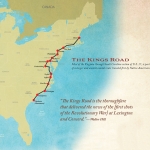
Around 1650-1660, King Charles II made the decree to connect Boston to Charles Town via a road, and so The Kings Highway was born.
This historical marker in Little River denotes the former homestead of Isaac Marion, older brother of “Swamp Fox” Francis Marion.
Vereen Memorial Gardens in Little River is home to a section of the original Kings Road known then by many names: The Public Road, Broad Road, and the Georgetown Road, among others.
Vereen Memorial Gardens in Little River is home to a section of the original Kings Road known then by many names.
Hampton Plantation in McClellanville is a state historic site open to the public. It sits adjacent to original, unpaved portions of the Old Kings Road. The Washington Oak sits in front and comes with lore passed down from his 1791 Southern tour.
McClellanville, S.C., the Old Georgetown Road at Highway 45, is part of a drivable original section of the original Kings Road.
The Old Brick Church at Wambaw (circa 1768) sits on the original Kings Road between Highway 45 and Rutledge Road in the Francis Marion National Forest, between Georgetown and Charleston.
A map of this type, circa 1779, would have given road engineers and travelers clues to their whereabouts.
The Old Kings Highway featured many water crossings like the one shown at right. This exact spot is well known to Hobcaw Barony as a former ferry location across Winyah Bay to Georgetown.
The modern Kings Highway follows ancient routes laid out literally centuries before Europeans first set foot in North America.
An educational marker along the Myrtle Beach Boardwalk reminds visitors of the all-important first real highway in North America.