

By Anne W. Wheeler
Published by Here I am Publishing
Release Date: 2025
This is an inspiring true story of one woman’s reaffirmation of faith, realization of vulnerability, and an impressive summoning of strength and hope when faced with devastating medical prognoses—not once, but twice, in as many years.
The author, a resident of Myrtle Beach, was diagnosed with stomach cancer in late 2022—this, after what had already been a bad year of health maladies, including COVID, shoulder surgery, and knee surgery. Obviously, the cancer diagnosis was devastating—notwithstanding the scheduling of appointments, learning new medical jargon, consultations, and incessant research on the Internet (and all the fear that can instill)—“a treacherous path” of hope and despair, she notes.
Rather than wallow in self pity, Wheeler leaned into her faith, gleaning support from her partner Bill and other friends. After surgery and dozens of follow-up biopsies, she became cancer-free, much to her (and her physicians’) amazement. In 2024, Wheeler was once again diagnosed with cancer—a large tumor in her bladder.
This book chronicles the author’s journey from diagnosis to remission—twice—though the narrative focuses more on the power of positive thinking, resilience, Wheeler’s story of faith and the “transformative power of belief.”
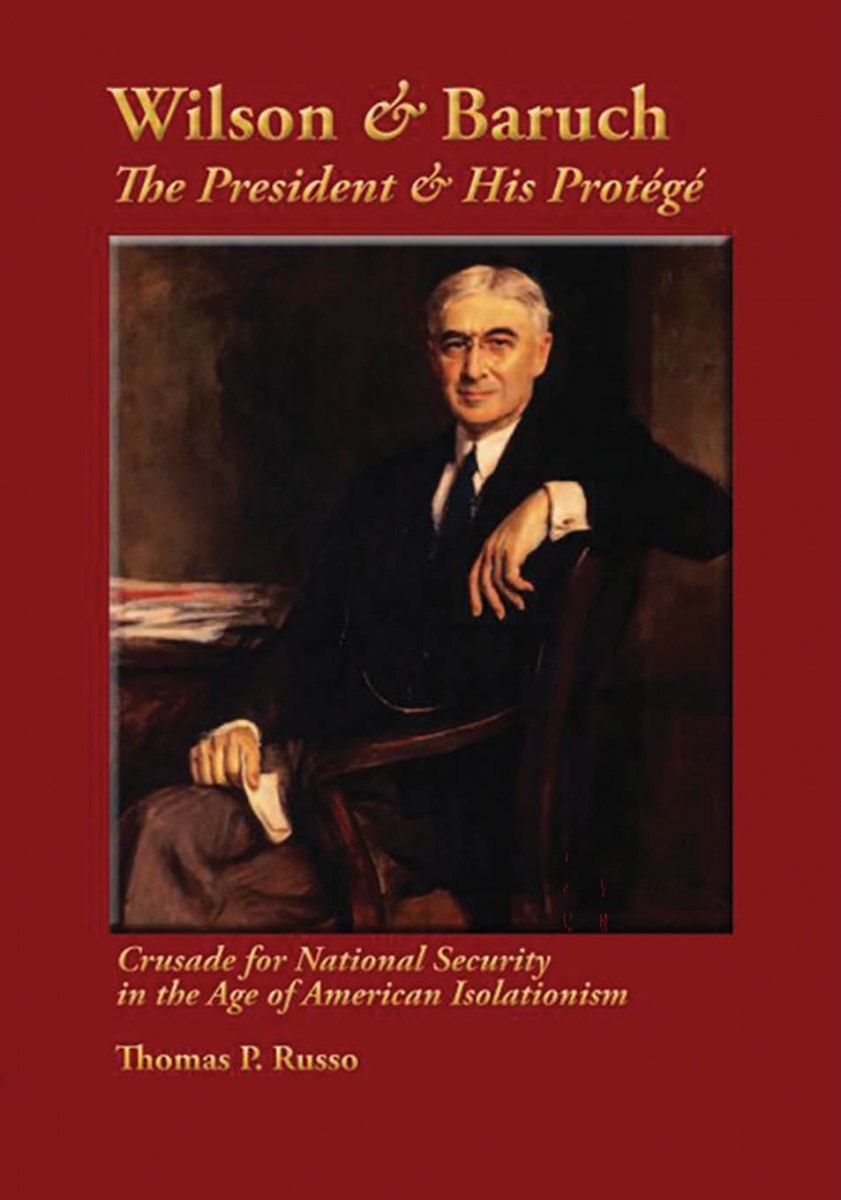
By Thomas P. Russo
Published by CLASS LLC Publishing Division
Release Date: 2025
An interpretive, well-researched book exploring financier Bernard Baruch’s contributions to economic and wartime policy under six presidents, Russo focuses primarily on the South Carolina native’s contributions while advising the 28th president—Woodrow Wilson.
Originally from Camden, SC., Baruch moved to New York City and did exceptionally well on Wall Street, becoming quite wealthy and owning his own brokerage firm, which Russo acknowledges earned Baruch an audience and subsequent political influence with powerful people of the time.
During World War I, Baruch served on President Wilson’s Advisory Commission to the Council on National Defense. In 1918, he was chair of the War Industries Board and also accompanied Wilson to the Paris Peace Conference. He was a key figure in establishing the War Industries Board (also serving as chairman) during World War I, advocating for mass production and, later, devising strategies for wartime contract termination.
Russo’s interpretive history particularly explores Baruch’s role in cultivating and influencing Congressional leaders and White House occupants with Wilsonianism in America’s age of isolation, throughout the 1920s and ’30s. Baruch entertained many of these same political leaders and friends at Hobcaw Barony in Georgetown, which he purchased to use as a hunting retreat in the early 1900s.
Through his protégé, Wilson’s legacy persisted in the interwar years before the nation realized its emerging role in maintaining a moral and legal order among nations. America’s mission: A world safe for democracy.
Author Russo is an award-winning writer, educator, and trainer with 30 years of experience in strategic planning, project management, and professional development, including more than 18 years in public health.